
Good home security doesn’t have to start with an expensive monitored system. Most burglars look for an easy target, and a few cheap, well-placed upgrades make your home look like a lot more trouble than the house next door.
This guide covers budget home security ideas that actually work, room by room and entry by entry, plus a simple plan to cover a typical home for a few hundred dollars with no monthly fees.
Table of Contents
- Quick Answer
- What Actually Deters Burglars
- Front Door: The Cheapest Big Win
- Windows and Sliding Doors
- Garage and Side Doors
- Outdoor Lighting
- Budget Cameras Without Monthly Fees
- Door Sensors and DIY Alarms
- Make Your Home Look Occupied
- Free and Low-Tech Ideas
- Room-by-Room Checklist
- Before You Travel
- A Sample Budget Plan
- Frequently Asked Questions
- Final Thoughts
Quick Answer
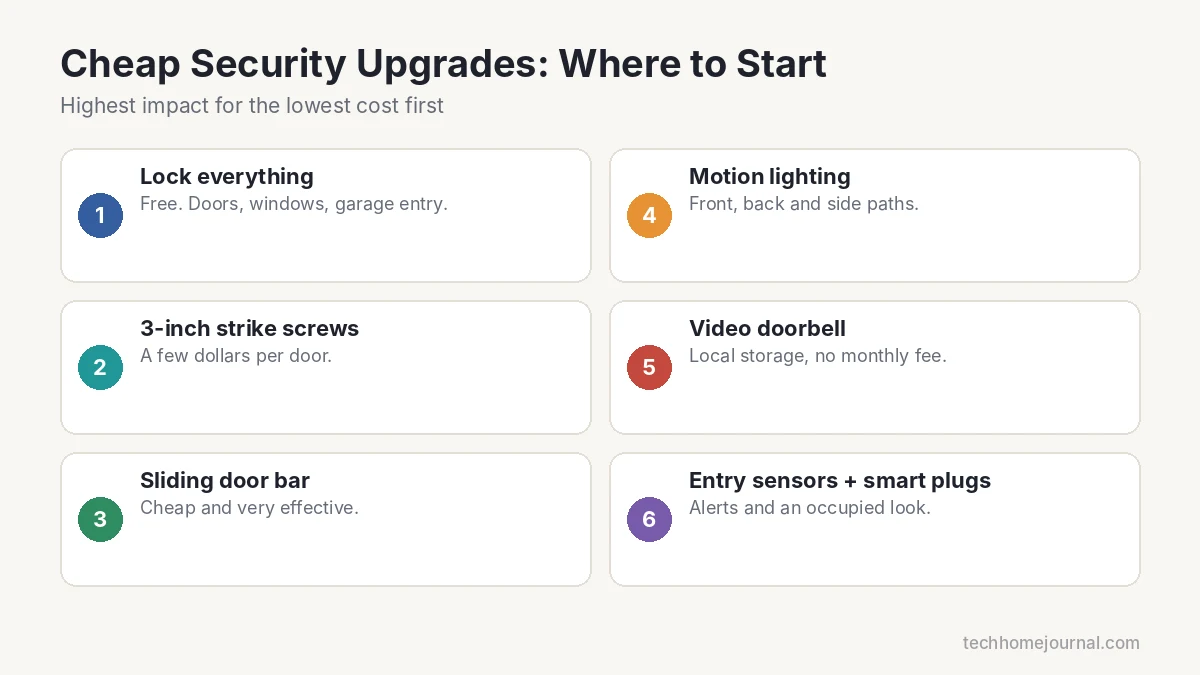
The cheapest security upgrades with the biggest impact are: longer strike plate screws on exterior doors, motion lighting, a visible video doorbell, door and window sensors, sliding door bars and smart plugs that make the home look occupied. Together these cost far less than a year of professional monitoring.
What Actually Deters Burglars
A well-known study from the University of North Carolina at Charlotte surveyed 422 incarcerated burglars. About 83% said they would try to find out whether a home had an alarm, and about 60% said they would look for another target if they found one. The researchers also found surveillance equipment had a similar effect on target selection. Most burglars entered through open or forced doors and windows.
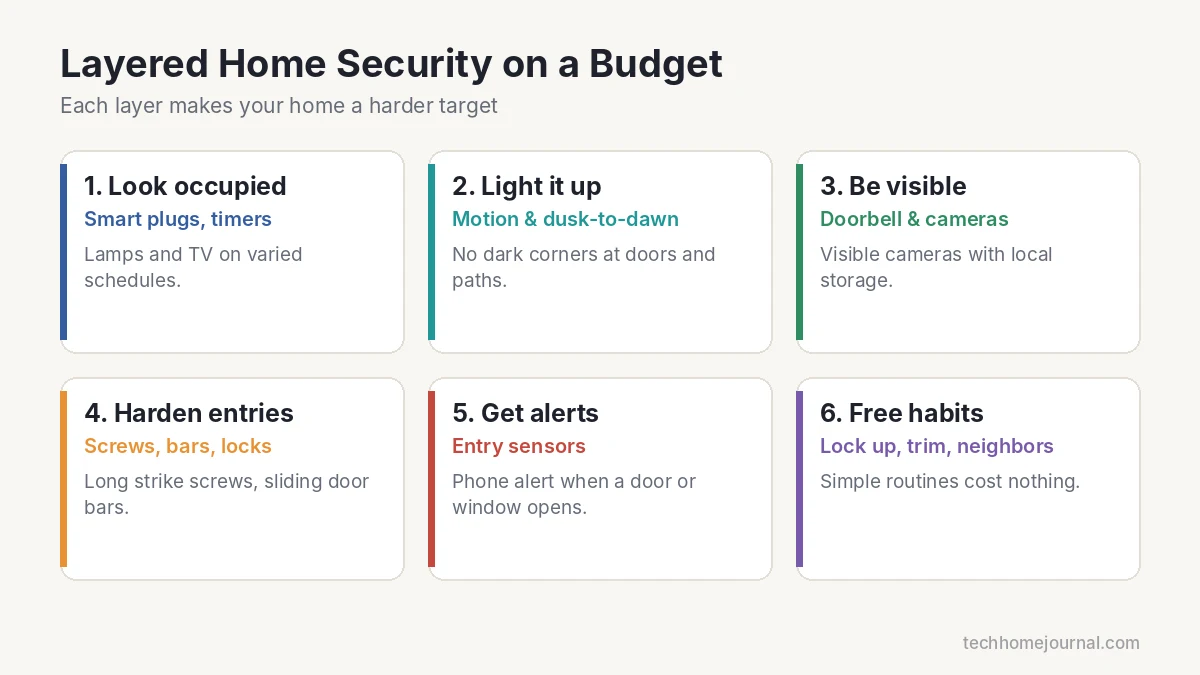
That points to a simple strategy: be visible, be lit, and make doors and windows hard to force.
Front Door: The Cheapest Big Win
- Upgrade the strike plate screws. Many frames use short screws that only reach thin trim. Swapping in 3-inch screws that reach the stud is one of the best few-dollar upgrades you can make. Our smart lock installation guide shows how.
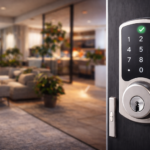
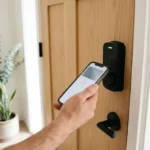
- Use the deadbolt every time, or add a smart lock with auto-lock so you never forget.
- Add a visible video doorbell. Many models record locally with no monthly fee. See doorbell cameras without a subscription.
- Light the entry with a motion light or dusk to dawn bulb.
Windows and Sliding Doors
- Sliding door bar or dowel: a cut-to-fit bar in the track stops the door from sliding even if the latch is forced.
- Window locks and pin locks on ground-floor windows.
- Contact or glass-break sensors on easy-to-reach windows.
- Security film makes glass harder to break through quickly.
Sliding glass doors deserve extra attention. Read how to secure a sliding glass door and our guide to sliding door security sensors.
Garage and Side Doors
- Keep the door from the garage into the house locked, just like the front door.
- Close the garage door every night. A smart garage controller can alert you or close it automatically.
- Use a zip tie or shield on the emergency release so it can’t be hooked from outside.
- Cover garage windows so valuables aren’t visible.
More ideas are in our garage security guide.
Outdoor Lighting
Darkness gives intruders cover. Light the front, back and side paths:
- Motion sensor lights at the driveway, back door and side gates. See our motion sensor light guide.
- Solar motion lights where there’s no wiring. Compare them in our solar motion sensor light guide.
- Dusk to dawn bulbs in existing porch fixtures for steady, all-night light.
Budget Cameras Without Monthly Fees
Many affordable cameras record to a microSD card or a home hub, so you get alerts and playback without paying monthly. Put real cameras where they cover entry points: front door, back door, driveway and any side gate. Our security cameras without subscription guide explains storage options, and best budget security cameras lists affordable picks.
Door Sensors and DIY Alarms
Entry sensors are cheap and renter-friendly. Stick them on doors and ground-floor windows and you’ll get a phone alert or a chime whenever one opens. Many DIY systems let you self-monitor for free and add professional monitoring later if you want it. Compare options in best home alarm systems or add a simple motion sensor alarm.
Make Your Home Look Occupied
- Smart plugs on lamps with varied schedules in different rooms. See what is a smart plug.
- A TV or radio on a schedule in the evening.
- Pause deliveries or ask a neighbor to collect packages while you travel.
- Don’t announce trips publicly on social media until you’re back.
Free and Low-Tech Ideas
- Lock doors and windows every time, including upstairs windows near porch roofs.
- Trim shrubs near windows and doors so no one can hide there.
- Don’t leave ladders or tools outside.
- Get to know your neighbors and share contact numbers.
- Change default passwords on cameras and your router. Read how to secure your home Wi-Fi.
Room-by-Room Checklist
- Entryway: deadbolt used every time, long strike screws, video doorbell, motion light, no spare key under the mat.
- Living room: keep valuables out of view from the street, put a lamp on a smart plug, and consider an indoor camera that faces the main entry. Our living room security guide has more ideas.
- Kitchen and back door: the back door is often hidden from neighbors, so give it the same lock, screws and lighting as the front.
- Bedrooms: don’t keep jewelry or cash in the obvious drawer; a small bolted-down safe is inexpensive.
- Basement: lock basement windows and add contact sensors, since they’re low and out of sight.
- Garage: close the big door every night, lock the house door and cover windows.
Don’t forget hazards inside the home. A smart carbon monoxide detector and water leak sensors protect against problems that cost far more than most burglaries.
Before You Travel
- Set lamps and a TV on varied smart plug schedules.
- Pause mail and package deliveries, or ask a neighbor to collect them.
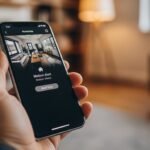
- Check that every camera is online and recording, and that notifications are on.
- Arrange for someone to move the trash cans and park in the driveway now and then.
- Lock and test every exterior door, including the one from the garage.
A Sample Budget Plan
Here’s one way to build layers over a month. Prices vary by brand and store, so treat these as rough ranges.
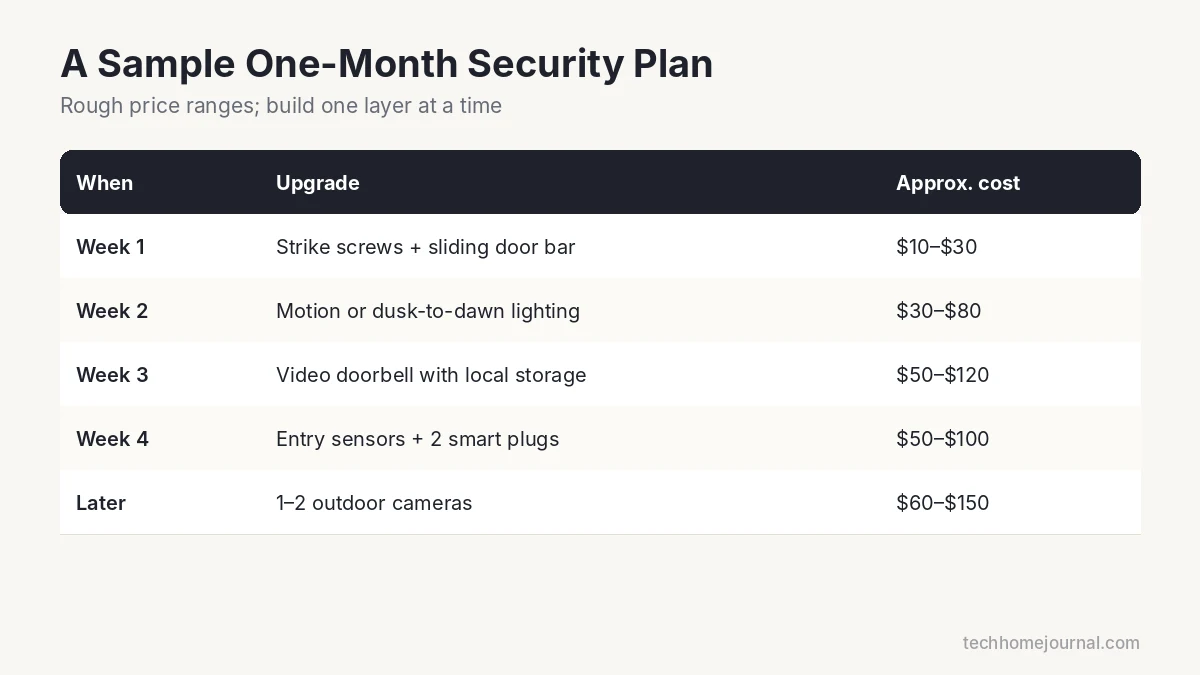
| Step | Upgrade | Approx. cost |
|---|---|---|
| Week 1 | Long strike plate screws on exterior doors, sliding door bar | $10 to $30 |
| Week 2 | Motion or dusk to dawn lighting at front and back | $30 to $80 |
| Week 3 | Video doorbell with local storage | $50 to $120 |
| Week 4 | Entry sensors for ground floor + 2 smart plugs | $50 to $100 |
| Later | 1 to 2 outdoor cameras with local storage | $60 to $150 |
Frequently Asked Questions
What is the cheapest way to secure my home?
Start with free habits (locking every door and window), then add longer strike plate screws, a sliding door bar and motion lighting. These cost very little and make forced entry much harder.
Do security cameras really deter burglars?
The UNC Charlotte burglar study found alarms and surveillance equipment had a similar deterrent effect on target selection. Visible cameras work best combined with lighting and strong locks.
Is professional monitoring worth it?
It can be if no one is around to respond to alerts, or for insurance reasons. Many households do well with a self-monitored DIY system and add monitoring later if needed.
What are good security ideas for renters?
Adhesive door and window sensors, battery doorbells, indoor cameras, smart plugs and sliding door bars. They need no drilling and move with you. Ask your landlord before changing locks.
Are fake cameras worth it?
They may deter a casual thief, but they don’t record anything. A low-cost real camera with local storage is a much better use of money.
Where should I put my first camera?
At the front door, usually as a video doorbell. It covers visitors, deliveries and the most common entry point.
Final Thoughts
Home security on a budget is about layers: strong doors, good lighting, visible cameras and a home that always looks occupied. Start with the free habits and the few-dollar fixes this week, then add one device at a time. For a room-focused approach, see our living room security guide.