
Heat pumps are one of the most efficient ways to heat and cool a home, but only if they’re controlled properly. A basic thermostat, or the wrong smart one, can lean too heavily on expensive electric backup heat and quietly double your winter energy bill. The right smart thermostat for heat pump systems understands how heat pumps work, keeps the compressor doing most of the work and only calls on auxiliary heat when it’s truly needed.
In this guide, we’ll explain what makes heat pumps different, the features to look for, the best smart thermostats for heat pumps in 2026, how to wire them correctly and the settings that save the most money.
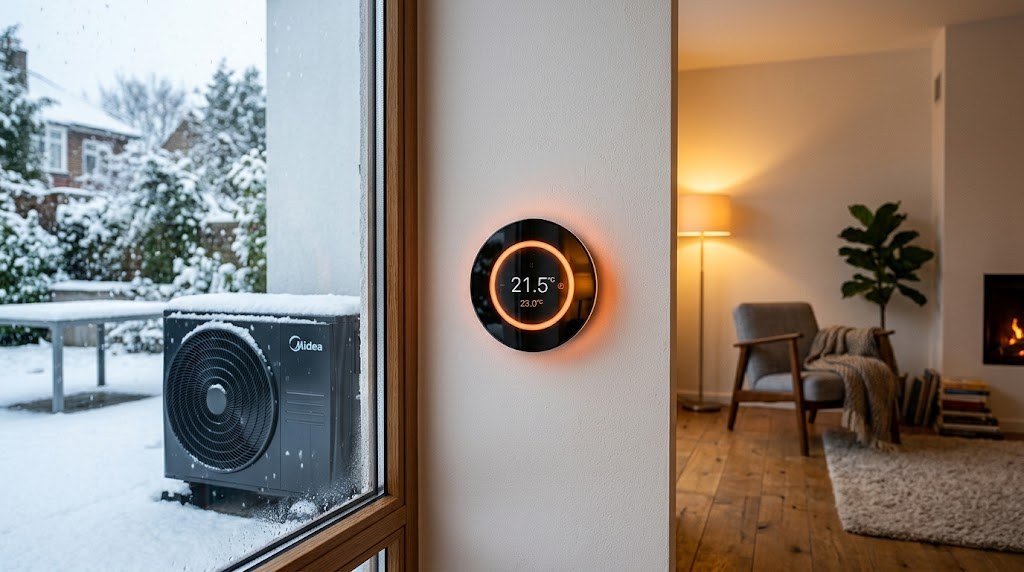
Table of Contents
- Quick Picks: Best Smart Thermostats for Heat Pumps
- Why Heat Pumps Need a Compatible Smart Thermostat
- Features to Look For
- The Best Smart Thermostats for Heat Pumps in 2026
- Comparison Table
- Heat Pump Thermostat Wiring Explained
- Settings That Save the Most Money
- Dual-Fuel Systems
- Signs Your Heat Pump Thermostat Is Set Up Wrong
- Should You Hire a Pro?
- Frequently Asked Questions
- Final Verdict
Quick Picks: Best Smart Thermostats for Heat Pumps
- Best overall: ecobee Smart Thermostat Premium (excellent heat pump controls and room sensors)
- Best learning thermostat: Google Nest Learning Thermostat (4th gen)
- Best for multi-room comfort: Honeywell Home T9 with room sensors
- Best no-frills value: Sensi Touch 2 Smart Thermostat
- Best budget option: Amazon Smart Thermostat (for simple heat pump systems)
- Best for ductless mini-splits: Sensibo or Cielo smart AC controllers
Always confirm compatibility with your specific system using each brand’s online compatibility checker before buying.
Why Heat Pumps Need a Compatible Smart Thermostat
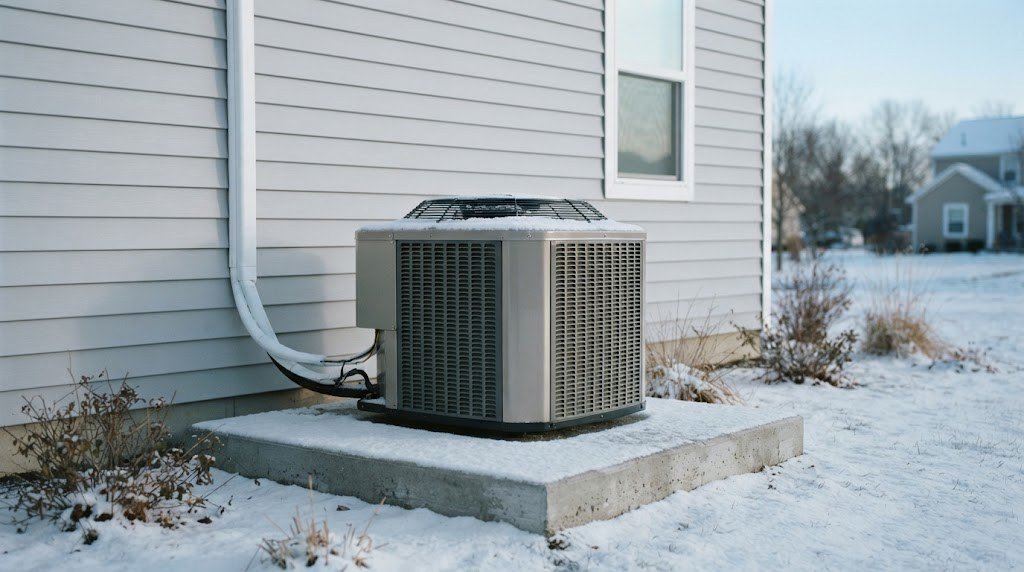
A heat pump moves heat instead of creating it. In winter, it pulls heat from the outdoor air and pumps it inside. In summer, it reverses and works like an air conditioner. That makes it very efficient, but it also means the thermostat has to manage a few things a furnace thermostat doesn’t:
The reversing valve (O/B wire)
The reversing valve switches the heat pump between heating and cooling. Most brands energize it in cooling mode (the O wire), while some, like Rheem/Ruud, energize it in heating mode (the B wire). Your thermostat must be set to the right one, or your system will heat when you want cooling.
Auxiliary and emergency heat
When it’s very cold outside, or when you ask for a big temperature jump, many heat pumps use auxiliary (aux) heat, usually electric resistance strips or a gas furnace. Aux heat is fast but can cost two to three times more to run than the heat pump itself. Emergency heat turns off the heat pump entirely and uses only the backup heat, and it should only be used if the heat pump is broken.
Multi-stage and variable-speed compressors
Many heat pumps have two-stage compressors, and newer models may be variable-speed. A good thermostat runs the lower, more efficient stage first and only steps up when needed.
Defrost cycles
In winter, the outdoor coil can ice up, and the heat pump briefly reverses to melt it. A thermostat that understands heat pumps won’t overreact to the short temperature dip during defrost.
Features to Look For
| Feature | Why it matters |
|---|---|
| Heat pump + aux heat support | Controls the compressor and backup heat properly |
| Aux heat lockout temperature | Prevents costly backup heat above a set outdoor temperature |
| Compressor lockout temperature | Stops the heat pump below a set temperature in dual-fuel systems |
| Multi-stage support | Uses efficient low stage first |
| Smart recovery | Warms up gradually to avoid triggering aux heat |
| Room sensors | Balance comfort in rooms far from the thermostat |
| Energy reports | Show how often aux heat runs |
| C-wire support or power adapter | Stable power for Wi-Fi |
The Best Smart Thermostats for Heat Pumps in 2026
1. ecobee Smart Thermostat Premium: Best Overall
ecobee has some of the best heat pump controls of any consumer smart thermostat. In its installation settings, you can set a compressor minimum outdoor temperature and an auxiliary heat maximum outdoor temperature, so you decide exactly when backup heat is allowed. That level of control makes a real difference in heating bills.
The Premium model includes a SmartSensor for room-by-room comfort, a built-in smart speaker, an air quality monitor and occupancy sensing. It supports conventional, heat pump and dual-fuel systems, and it works with Alexa, Google Assistant, Apple Home and SmartThings.
- Heat pump support: Yes, including aux heat and dual fuel
- Key heat pump settings: Compressor and aux heat outdoor temperature lockouts
- Room sensors: Included
- Works with: Alexa, Google Home, Apple Home, SmartThings
- Approx. price: About $250
Good for: Anyone who wants maximum control over heat pump efficiency.
Keep in mind: Some advanced features, like the eco+ energy tools, are easier to use in the app than on the thermostat itself.
2. Google Nest Learning Thermostat (4th Gen): Best Learning Thermostat
The latest Nest Learning Thermostat has a larger, brighter display and learns your schedule automatically. It supports heat pumps with auxiliary and emergency heat, and Nest’s Heat Pump Balance setting lets you choose between maximum comfort, balanced or maximum savings. On the savings setting, Nest lets the heat pump take longer to reach your temperature to avoid aux heat.
It also comes with a temperature sensor and supports Matter, so it works with Apple Home as well as Google Home.
- Heat pump support: Yes, with aux and emergency heat
- Key heat pump setting: Heat Pump Balance
- Room sensors: One included
- Works with: Google Home, Matter (Apple Home, Alexa, SmartThings)
- Approx. price: About $280
Good for: People who want a thermostat that programs itself.
Keep in mind: You get less fine-grained aux heat control than ecobee. Compare them in our Nest vs ecobee guide.
3. Honeywell Home T9: Best for Multi-Room Comfort
The Honeywell Home T9 supports heat pumps with auxiliary heat and pairs with room sensors that detect both temperature and occupancy. You can prioritize the rooms you’re actually using, which helps with the uneven temperatures some heat pump homes experience.
- Heat pump support: Yes, with aux heat
- Room sensors: Supported (one often included)
- Works with: Alexa, Google Assistant, SmartThings
- Approx. price: $150 to $200
Good for: Larger homes with hot and cold spots.
Keep in mind: No native Apple Home support.
4. Sensi Touch 2: Best No-Frills Value
Sensi thermostats are popular with HVAC pros because they’re simple, reliable and widely compatible. The Sensi Touch 2 supports heat pumps with auxiliary heat, has a color touchscreen and offers useful features like maintenance reminders and usage reports without any subscription.
- Heat pump support: Yes, with aux heat
- Works with: Alexa, Google Assistant, Apple Home, SmartThings
- Approx. price: $130 to $170
Good for: Anyone who wants a straightforward, dependable upgrade.
Keep in mind: Fewer advanced heat pump settings than ecobee.
5. Amazon Smart Thermostat: Best Budget Option
At around $80, the Amazon Smart Thermostat is one of the cheapest ways to get smart control. It works with many common heat pump systems and integrates tightly with Alexa for schedules and Hunches-based energy savings.
- Heat pump support: Common heat pump systems (check compatibility for aux and multi-stage setups)
- Works with: Alexa
- Approx. price: About $80
Good for: Alexa households with simpler heat pump systems.
Keep in mind: It requires a C-wire (or adapter) and has fewer advanced heat pump controls. See our list of the best thermostats for Alexa for alternatives.
6. Sensibo and Cielo: Best for Ductless Mini-Splits
Ductless mini-split heat pumps usually come with an infrared (IR) remote rather than a wall thermostat. Smart AC controllers like Sensibo and Cielo Breez sit on the wall, learn your remote’s IR codes and let you control the mini-split from your phone, with schedules, geofencing and climate-based automation.
- Heat pump support: Ductless mini-splits with IR remotes
- Works with: Alexa, Google Assistant, Apple Home (varies by model)
- Approx. price: $80 to $150
Good for: Homes with mini-splits.
Keep in mind: Some manufacturers (like Mitsubishi) also offer their own Wi-Fi adapters with deeper integration.
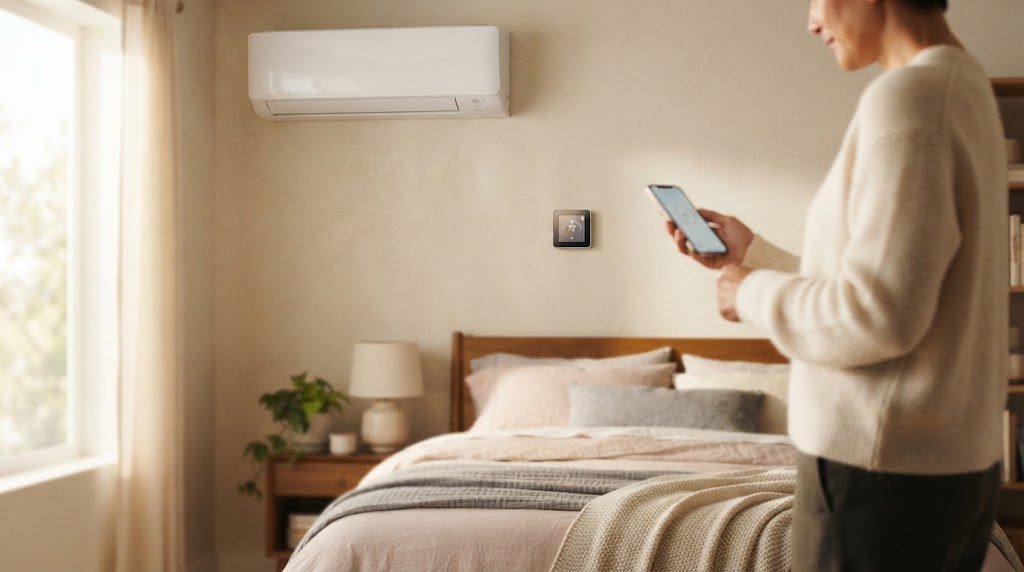
Comparison Table
| Thermostat | Aux heat control | Room sensors | Apple Home | Approx. price |
|---|---|---|---|---|
| ecobee Premium | Advanced (outdoor lockouts) | Included | Yes | ~$250 |
| Nest Learning (4th gen) | Heat Pump Balance | One included | Via Matter | ~$280 |
| Honeywell Home T9 | Standard | Supported | No | $150 to $200 |
| Sensi Touch 2 | Standard | No | Yes | $130 to $170 |
| Amazon Smart Thermostat | Basic | No | No | ~$80 |
| Sensibo / Cielo | N/A (mini-split) | Varies | Varies | $80 to $150 |
Heat Pump Thermostat Wiring Explained
Before you buy, remove your current thermostat’s cover and take a clear photo of the wiring. Here are the most common heat pump terminals:
| Terminal | Typical wire color | What it does |
|---|---|---|
| R / Rc / Rh | Red | 24V power |
| C | Blue or black | Common wire for continuous power |
| Y1 | Yellow | Compressor stage 1 |
| Y2 | Light blue or other | Compressor stage 2 |
| G | Green | Fan |
| O/B | Orange (or dark blue for B) | Reversing valve |
| W1 / AUX / W2 | White or brown | Auxiliary heat |
| E | Varies | Emergency heat (on some systems) |
Wire colors aren’t standardized, so always go by the terminal labels, not the colors. Our smart thermostat installation guide walks through the full process, and if you don’t have a C-wire, see our guide to the best smart thermostats without a C-wire.
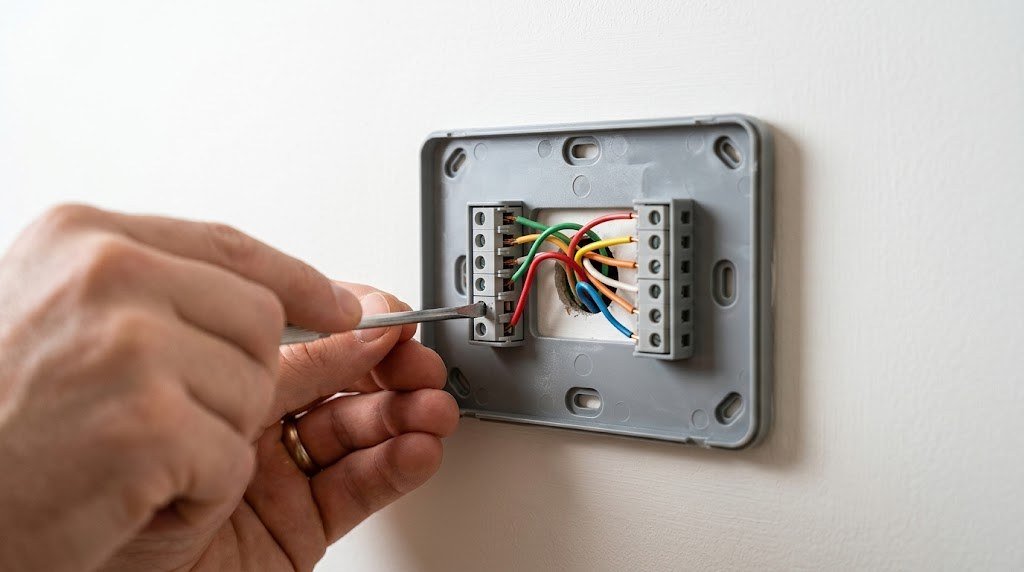
Warning: Some heat pumps, especially communicating systems from Carrier, Trane, Lennox and others, use proprietary thermostats that talk to the equipment digitally. A standard smart thermostat may only work in a limited mode or not at all. Check with your HVAC installer or the brand’s compatibility tool first.
Settings That Save the Most Money
Installing the thermostat is step one. These settings make the biggest difference on your energy bill:
- Set the O/B correctly. If heating and cooling are reversed, switch the O/B setting.
- Limit aux heat by outdoor temperature. On ecobee, set the aux heat max outdoor temperature (many homes start around 35°F to 40°F and adjust). On Nest, choose “Max Savings” or “Balanced” in Heat Pump Balance.
- Use smaller setbacks. Heat pumps are slower to recover than furnaces. Setbacks of 2 to 4°F usually save more than big 8 to 10°F setbacks, which can trigger aux heat when warming back up.
- Turn on smart recovery. Let the thermostat start heating earlier and more gradually.
- Avoid manual emergency heat. Use it only if the heat pump fails.
- Check the energy report monthly. If aux heat runtime is high on mild days, lower the aux lockout temperature or reduce setbacks.
For more ways to cut costs, read our smart thermostat energy saving tips.
Dual-Fuel Systems
A dual-fuel system pairs a heat pump with a gas furnace as backup. In mild weather, the heat pump runs efficiently. Below a certain outdoor temperature, the balance point, the furnace takes over because it becomes cheaper or more comfortable. Thermostats like ecobee let you set a compressor lockout temperature so the switch happens automatically. The ideal balance point depends on your local electricity and gas prices, so it’s worth asking your HVAC contractor for a recommendation.
Signs Your Heat Pump Thermostat Is Set Up Wrong
Many heat pump owners don’t realize their thermostat is misconfigured until the first big winter bill arrives. Watch for these warning signs:
| Symptom | Likely cause | What to check |
|---|---|---|
| Cold air blows when heat is on | O/B setting reversed | Switch the O/B setting in the thermostat |
| Aux heat runs on mild days | Aux lockout too high or big setbacks | Lower the aux max outdoor temperature, reduce setbacks |
| Very high winter bills | Backup heat running too often | Check the energy report for aux runtime |
| System short cycles | Wrong equipment or stage settings | Confirm heat pump type and stages in setup |
| Thermostat keeps rebooting | Unstable power | Add a C-wire or power adapter |
| “Aux” or “Emergency” always showing | Emergency heat mode selected | Switch back to normal heat mode |
If you fix the settings and still see heavy aux heat use in mild weather, the heat pump itself may need service. Low refrigerant, a failing reversing valve or a dirty outdoor coil can all force a system to lean on backup heat.
Should You Hire a Pro?
Many homeowners install smart thermostats themselves in 30 to 60 minutes. For heat pumps, consider hiring an HVAC technician if:
- Your system has more than eight wires or multiple stages of heating and cooling
- You have a dual-fuel system with a gas furnace backup
- Your current thermostat is a proprietary communicating model
- You’re not sure which wire is O/B or AUX
- You don’t have a C-wire and aren’t comfortable adding an adapter
A professional can also set the ideal aux heat and compressor lockout temperatures for your climate and equipment, which often pays for the visit within a single winter.
Related guides on Tech Home Journal:
- Best Smart Thermostats 2026: Ranked by Energy Savings Compatibility
- Best Budget Smart Thermostat for Your Living Room: The Complete Buying Guide (2026)
- How to Lower Your Electricity Bill at Home: 30+ Tips That Work (2026)
Official resources: ENERGY STAR smart thermostats · U.S. Department of Energy: heat pump systems
Frequently Asked Questions
Do all smart thermostats work with heat pumps?
No. Most major brands support common heat pump systems, but support for auxiliary heat, multi-stage compressors, dual fuel and communicating systems varies. Always use the manufacturer’s compatibility checker before buying.
What is the best smart thermostat for a heat pump?
The ecobee Smart Thermostat Premium is our top pick because it lets you set outdoor temperature limits for the compressor and aux heat. The Nest Learning Thermostat (4th gen) is a great alternative if you want automatic scheduling.
Why does my heat pump keep using aux heat?
Common causes include large temperature setbacks, a very cold outdoor temperature, an incorrect aux heat lockout setting, a thermostat not configured for a heat pump, or a heat pump problem like low refrigerant. Reduce setbacks and check your thermostat’s heat pump settings first.
What is the O/B wire on a heat pump thermostat?
The O/B wire controls the reversing valve that switches the heat pump between heating and cooling. Most systems use O (energized in cooling), while some use B (energized in heating). The thermostat must be set to match your system.
Can a smart thermostat save money with a heat pump?
Yes, especially by limiting auxiliary heat, using smarter schedules and optimizing recovery. The biggest savings usually come from reducing how often expensive resistance backup heat runs.
Do mini-split heat pumps work with smart thermostats?
Most ductless mini-splits use IR remotes, so they work with smart AC controllers like Sensibo or Cielo, or the manufacturer’s own Wi-Fi adapter, rather than a standard wall thermostat.
Should I use the heat pump’s own thermostat or a smart one?
If your installer supplied a communicating thermostat for a variable-speed system, keep it, because a generic smart thermostat may limit the system to basic stages. For standard single- or two-stage heat pumps, a compatible smart thermostat adds remote control, schedules and energy reports.
Final Verdict
A smart thermostat for heat pump systems should do more than set schedules. It should understand your compressor, your reversing valve and, most importantly, your backup heat. The ecobee Smart Thermostat Premium offers the best heat pump controls, the Nest Learning Thermostat is the easiest to live with, and the Honeywell Home T9 is great for homes with uneven temperatures. On a budget, Sensi Touch 2 is a dependable choice, and mini-split owners should look at Sensibo or Cielo.
Set it up correctly, limit aux heat and keep your setbacks small, and your heat pump will deliver the efficiency it was designed for.