The Best Fluffy Pancakes recipe you will fall in love with. Full of tips and tricks to help you make the best pancakes.

Most homeowners buy smart home devices without a plan. They end up with gadgets that don’t talk to each other. This wastes money and creates security risks.
The right approach starts with compatible protocols and a central hub. Smart planning cuts total costs by 30% while delivering better automation. Your home becomes truly intelligent instead of just connected.
Smart Home Communication Protocols That Matter
Three protocols dominate smart homes in 2026. Matter works across 85% of new devices from different brands. Thread creates mesh networks for sensors. Zigbee 3.0 connects lights and security gear reliably.
Your hub choice determines which devices work together. Samsung SmartThings supports all three protocols natively. Amazon Echo Plus handles Zigbee devices directly. Apple HomeKit requires Matter certification for outside brands.
Response times vary dramatically by protocol. Zigbee commands execute in 50-100 milliseconds locally. Wi-Fi devices need 200-500 milliseconds through cloud servers. Thread networks maintain 20-40 millisecond speeds with mesh backup.
Protocol compatibility affects device lifespan too. Matter devices receive updates for 7-10 years minimum. Proprietary systems often lose support after 3-4 years. Choose open standards for long-term value.
Smart Lighting Systems With Real Savings
Smart lighting delivers the fastest payback among home automation. LED smart bulbs use 75% less energy than old incandescent bulbs. They last 15-20 years with normal use. Automated scheduling cuts electricity costs by $180-240 yearly.
Philips Hue offers 16 million colors with smooth dimming. Individual bulbs cost $15-50 based on features. The starter kit includes three bulbs plus hub for $99. Professional installation runs $75-150 per room.
Motion sensors prevent wasted energy in empty rooms. They trigger lights within 200 milliseconds of detecting movement. Daylight harvesting adjusts brightness based on natural light levels. This saves another 15-25% on lighting costs.
Smart switches control regular LED bulbs at lower cost. Lutron Caseta switches cost $45-60 each installed. They work with existing fixtures and bulbs. Dimmer switches extend LED bulb life by 40-60%.
Climate Control That Cuts Energy Bills
Learning thermostats reduce heating costs by 10-15% through smart scheduling. Nest Learning Thermostat costs $249 installed. It learns your schedule automatically over 2-3 weeks.
Smart vents enable room-by-room temperature control. Keen Home vents cost $199 each and adjust airflow automatically. They maintain comfortable temperatures while reducing HVAC runtime by 20-30%. Professional duct sealing improves results further.
Humidity sensors optimize comfort and efficiency throughout the home. Maintain 30-50% relative humidity for best results. Smart humidifiers and dehumidifiers adjust levels automatically. This prevents mold growth and reduces heating costs.
Geofencing detects when you leave home. Thermostats automatically adjust to away mode within 30 minutes. Each degree of temperature reduction saves 6-8% on heating bills. Vacation mode maintains minimal climate control for extended trips.
Security Cameras With Local Storage Options
Wireless cameras now offer 4K resolution with months of battery life. Arlo Pro 4 records for 3-6 months between charges. Solar panels extend runtime indefinitely in sunny locations. Wired cameras provide continuous monitoring without battery concerns.
Cloud storage costs $3-15 monthly per camera for 30-day retention. Local storage through NVR systems eliminates subscription fees completely. Most cameras support both options simultaneously for backup protection.
AI motion detection reduces false alerts by 60-80% compared to basic sensors. Modern cameras distinguish between people, vehicles, and animals automatically. Smart zones prevent alerts from busy streets or neighbor activity.
Two-way audio enables remote communication through built-in speakers. Sirens deter intruders with 110-decibel alerts. Integration with smart locks allows remote access during deliveries. Night vision works up to 25 feet in complete darkness.
Voice Assistants That Control Everything
Voice assistant choice determines speaker compatibility and features. Amazon Alexa controls 60,000+ devices across 140 countries. Google Assistant excels at questions and calendar management. Apple Siri works best with iOS devices and HomeKit gear.
Multi-room audio requires speakers that sync playback perfectly. Sonos speakers maintain synchronization across unlimited rooms. Amazon Echo devices sync within 50 milliseconds for whole-home audio. Bluetooth speakers create 100-200 millisecond delays between rooms.
Voice recognition accuracy reaches 95% in quiet rooms. Background noise drops accuracy to 70% or lower. Far-field microphones pick up commands from 15-20 feet away. Beamforming technology isolates voices from multiple directions simultaneously.
Smart displays combine voice control with visual interfaces. The 10-inch Echo Show costs $249 and displays security cameras. It shows weather forecasts and recipe instructions clearly. Video calling works through built-in cameras and speakers.
Smart Locks With Multiple Access Methods
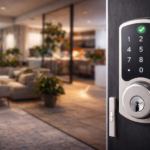
Smart locks eliminate physical keys while tracking all entries automatically. Yale Assure Lock SL costs $199 and supports keypads, phones, and voice commands. Battery life extends 8-12 months with typical usage patterns.
Temporary access codes work perfectly for guests and service workers. Generate unique codes that expire after specified time periods. Receive notifications whenever codes get used or doors unlock. Delete codes instantly when access ends.
Auto-unlock detects smartphone proximity and opens doors within 3-6 feet. Geofencing prevents accidental unlocking when walking past the entrance. Manual confirmation adds security for high-traffic areas near sidewalks.
Backup mechanical keys ensure access during battery failures. Most smart locks retain standard deadbolt operation as failsafe protection. Low battery warnings appear 30-60 days before complete failure. Replace batteries proactively when voltage drops below 20%.
Connected Kitchen Appliances and Automation
Smart appliances offer remote monitoring through manufacturer smartphone apps. Connected refrigerators track expiration dates automatically. They suggest recipes based on available ingredients inside. Ovens preheat remotely and send completion notifications to your phone.
Energy monitoring reveals which appliances consume the most electricity daily. Smart plugs measure individual device usage down to 1-watt accuracy. Schedule high-consumption appliances during off-peak hours for 15-30% utility savings.
Dishwashers with soil sensors adjust cycle length automatically. This reduces water consumption by 15-25% compared to standard cycles. Leak detection sensors shut off water supply within 5 seconds. Smart garbage disposals prevent jams through torque monitoring.
Kitchen workflow automation coordinates multiple devices for cooking routines. Coffee makers start brewing when morning alarms go off. Ovens preheat when recipe timers reach specific points. Voice control operates devices hands-free during food preparation.
Whole-Home Entertainment and Streaming
Streaming devices support 8K video with Dolby Vision HDR processing. Apple TV 4K costs $179 and delivers 60fps navigation smoothly. Roku Ultra offers 500,000+ movies and shows for $99. Both support all major streaming services natively.
Universal remotes control multiple devices through infrared and Bluetooth connections. Logitech Harmony Elite costs $349 and learns existing remote commands automatically. Voice control through Alexa eliminates physical remotes entirely for many functions.
Whole-home audio requires careful speaker placement and power calculations. In-ceiling speakers provide invisible sound coverage throughout rooms. Wireless speakers offer placement flexibility but need strong Wi-Fi signals everywhere.
Smart TVs integrate streaming apps without additional devices needed. However, dedicated streaming boxes receive software updates 3-5 years longer. External devices offer better performance and more storage capacity too.
Network Optimization for Smart Home Performance
Mesh Wi-Fi systems eliminate dead zones that plague single-router setups completely. Eero Pro 6E covers homes up to 6,000 square feet. It delivers gigabit speeds throughout with automatic node communication. Professional installation costs $150-300 for complex layouts.
Device prioritization ensures critical systems maintain bandwidth during heavy usage. Security cameras and door locks receive priority over entertainment streaming. QoS settings prevent any single device from monopolizing network resources completely.
Firmware updates patch security vulnerabilities and add new features regularly. Enable automatic updates for all connected devices when possible. Check manufacturer websites monthly for critical security patches requiring manual installation.
Network segmentation isolates smart devices from computers and phones. Create dedicated IoT networks that prevent compromised devices from accessing personal data. Use WPA3 encryption and strong passwords on all wireless networks.
Building Your Smart Home the Right Way
Start with essential devices that deliver immediate value and savings. Install a smart thermostat first for 10-15% energy cost reduction. Add smart lighting in frequently used rooms next. Security cameras provide peace of mind and insurance discounts.
Choose devices that support Matter and Thread protocols for future compatibility. Avoid proprietary systems that lock you into single brands. Plan your network infrastructure before adding many wireless devices.
Budget $2,000-4,000 for basic automation in a 3-bedroom home. This includes lighting, climate control, and security cameras. Professional installation adds $500-1,500 but ensures proper setup. Expand gradually to spread costs over 2-3 years.
Frequently asked questions
Which smart home protocol offers the best device compatibility in 2026?
Matter provides the widest compatibility across brands and platforms currently. Thread delivers excellent performance for battery-powered sensors and switches. Choose devices supporting both protocols when possible for maximum flexibility and future-proofing.
How much does a complete smart home system cost for an average house?
Basic automation for a 3-bedroom home costs $2,000-4,000 including lighting, thermostat, and security cameras. Professional installation adds $500-1,500 depending on complexity and local rates. Start with essential devices and expand gradually over 12-24 months.
Do smart home devices qualify for insurance discounts or rebates?
Most insurers offer 5-15% discounts for homes with smart security systems and leak detectors. Water damage sensors prevent costly claims exceeding discount savings significantly. Contact your insurance provider to verify available smart home discounts and requirements.
Can smart home devices continue working during internet outages?
Local protocols like Zigbee and Thread operate without internet connectivity completely. Voice assistants and cloud-dependent features stop working during outages however. Choose devices with local processing capabilities for critical functions like security and lighting control.
How often should I update smart home device firmware for security?
Check for updates monthly and install critical security patches immediately when available. Enable automatic updates when possible to maintain optimal performance and security protection. Replace devices that no longer receive manufacturer support after 3-5 years of use.