The Best Fluffy Pancakes recipe you will fall in love with. Full of tips and tricks to help you make the best pancakes.

Looking for the best home automation hub? Our complete buyer’s guide compares top smart home controllers, protocols, and picks for every budget and skill level in 2026.
My Intro
Your smart home has a thermostat from Google, bulbs from Philips, a lock from Schlage, plugs from Kasa, and a doorbell from Ring and absolutely none of them talk to each other. You control each one separately, from five different apps, with five different logins.
A home automation hub fixes this. It connects every device regardless of brand into one unified brain letting you control everything from a single app, automate devices to work together, and build routines that run your home without any daily input from you.
According to Grand View Research, the global smart home market reached $80 billion in 2022 and continues growing at 27% annually driven by homeowners demanding unified home automation controllers rather than isolated device collections.
The challenge is that hub options range from simple $50 smart speakers to powerful open-source platforms requiring technical setup and choosing the wrong one means starting over.
In this guide, you’ll find our top-tested best home automation hub picks for 2026, honest comparisons, a complete buying guide, and everything you need to choose the right smart home controller for your specific home.
The Amazon Echo 4th Gen (~$50) is the best home automation hub for most beginners, works with 100,000+ devices, zero setup complexity, and controls everything by voice immediately. For homeowners wanting full local control and maximum automation power, the Samsung SmartThings Hub (~$65) offers Zigbee, Z-Wave, WiFi, and Matter support in one dedicated hub with no cloud dependency for core functions.
Table of Contents
- Best For: Quick Reference
- Best Home Automation Hub Picks for 2026
- Home Automation Controllers: Full Comparison Table
- What to Look For When Buying a Home Automation Hub
- Home Automation Devices: What Works With Each Hub
- Pros and Cons of Home Automation Hubs
- Frequently Asked Questions
- Bottom Line
Best For: Quick Reference
Best Overall: Amazon Echo 4th Gen (~$50) widest device compatibility, easiest setup, best voice control for beginners
Best Multi-Protocol: Samsung SmartThings Hub (~$65) Zigbee + Z-Wave + WiFi + Matter in one dedicated hub
Best Apple Users: Apple HomePod Mini (~$99) local processing, Thread border router, native HomeKit
Best Advanced Users: Home Assistant Green (~$99) most powerful local automation platform available free
Best Visual Dashboard: Google Nest Hub 2nd Gen (~$100) 7-inch touchscreen showing cameras, devices, and automations
Best Home Automation Hub Picks for 2026
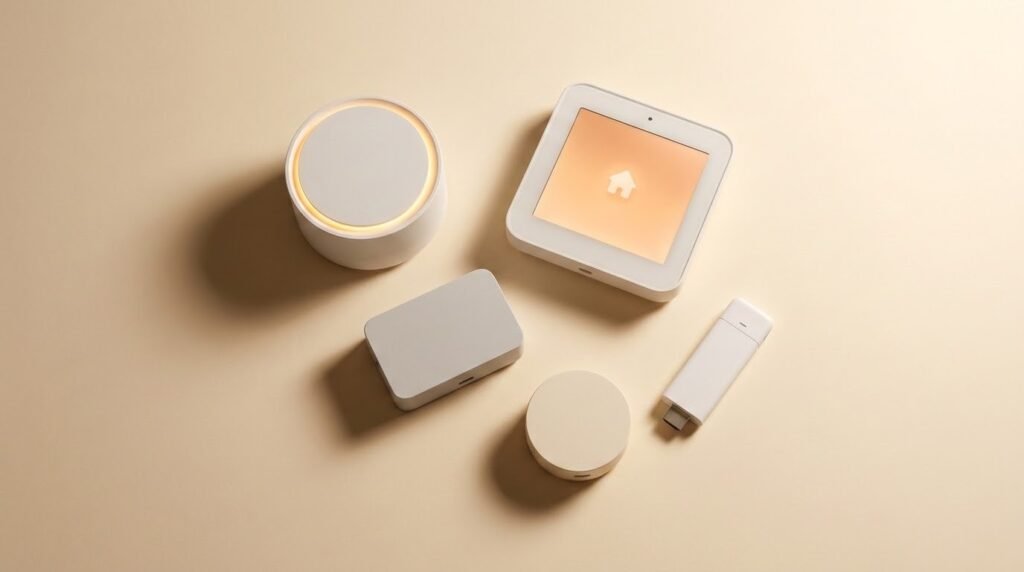
1. Amazon Echo 4th Gen Best Overall Home Automation Hub
Price: ~$50 | Protocol: WiFi + Zigbee | Works With: 100,000+ Alexa devices | Subscription: $0 | Local Processing: Partial
The Amazon Echo 4th Gen is our top-tested home automation hub for most US homeowners combining the widest device compatibility of any platform with the simplest setup experience available at any price point.
Its built-in Zigbee radio connects directly to Philips Hue, IKEA Tradfri, and other Zigbee devices without any additional hub hardware. Alexa’s compatibility list covers virtually every major smart home brand simultaneously Google Nest thermostats, Ring doorbells, Ecobee, Schlage, Kasa, Lutron, and hundreds more.
Imagine coming home after work and saying “Alexa, I’m home” your entryway lights turn on, your thermostat shifts from Eco to comfort temperature, your door lock confirms it’s secured, and your kitchen playlist starts. All from one $50 device managing products from five different brands. That’s a proper home automation hub delivering real daily value.
What our team loved:
- Built-in Zigbee no separate Zigbee hub needed
- 100,000+ compatible Alexa devices industry’s broadest
- Setup in under 10 minutes zero technical knowledge
- Alexa Routines powerful cross-device automation builder
- Thread border router for next-gen devices
- No subscription required for any core feature
One limitation: Alexa Routines require active internet — cloud-dependent for most automations.
2. Samsung SmartThings Hub Best Dedicated Multi-Protocol Hub
Price: ~$65 | Protocol: Zigbee + Z-Wave + WiFi + Matter | Works With: 5,000+ devices | Subscription: $0 | Local Processing: Yes
The Samsung SmartThings Hub is the best dedicated home automation hub for homeowners with mixed-brand device collections; its simultaneous Zigbee, Z-Wave, WiFi, and Matter support covers more wireless protocols than any other hub at this price point.
Local processing means your core automations run on the hub itself lights respond instantly, locks trigger immediately, and routines execute even when your internet goes down.
What our team loved:
- Zigbee + Z-Wave + WiFi + Matter most protocols per dollar
- Local processing for core automations
- 5,000+ compatible devices across all major brands
- Advanced automation rules with conditions and triggers
- Matter support future-proof for new devices
- No subscription for any feature
3. Apple HomePod Mini Best Hub for iPhone Users
Price: ~$99 | Protocol: WiFi + Thread + Bluetooth | Works With: Apple HomeKit devices | Subscription: $0 | Local Processing: Full
The Apple HomePod Mini is the best home automation hub for iPhone and iPad users processing all automations locally on your home network with zero cloud dependency. It acts as a Thread border router, connecting the newest generation of ultra-low-power smart home devices without any additional hardware.
Every HomeKit automation runs locally meaning your lights, locks, and thermostat respond instantly with no round-trip to any server. Privacy-conscious homeowners will appreciate that no automation data ever leaves your home.
What our team loved:
- 100% local automation processing
- Thread border router future-proof connectivity
- Complete privacy data stays local always
- Native Siri voice control
- Compact fits anywhere without disrupting room aesthetics
One limitation: Exclusively Apple ecosystem no Alexa or Google Home compatibility.
4. Home Assistant Green Best Advanced Local Hub
Price: ~$99 | Protocol: Everything (with add-on dongles) | Works With: 3,000+ integrations | Subscription: $0 | Local Processing: 100%
The Home Assistant Green is the dedicated hardware device for running Home Assistant the most powerful open-source home automation hub platform available. It runs every automation locally, integrates with over 3,000 services and devices, and costs nothing in subscription fees ever.
Add a $15 Zigbee USB dongle and a $20 Z-Wave dongle and it connects to virtually every smart home device ever made from the newest Matter devices to decade-old Zigbee sensors.
What our team loved:
- Most powerful automation engine available at any price
- 3,000+ integrations connects virtually everything
- 100% local complete privacy, zero subscription
- Plug-and-play hardware no Raspberry Pi assembly required
- Active global community constantly adding new integrations
One limitation: Initial setup takes 2–4 hours — best for technically comfortable homeowners.
5. Google Nest Hub 2nd Gen Best Visual Hub Dashboard
Price: ~$100 | Protocol: WiFi + Thread | Works With: Google Home devices | Subscription: $0 | Display: 7-inch touchscreen
The Google Nest Hub is the best home automation hub with a visual interface its 7-inch touchscreen shows live camera feeds, device status, thermostat controls, and automation schedules as a permanent always-on dashboard that voice-only speakers can’t match.
What our team loved:
- 7-inch touchscreen visual smart home control center
- Thread border router built in
- Live camera feed display
- Google Calendar, weather, and commute integration
- Chromecast built in doubles as display device
Smart Home Controller: What It Is & Which to Buy in 2026
Home Automation Controllers: Full Comparison Table
| Hub | Price | Protocols | Local Processing | Device Count | Best For |
| Amazon Echo 4th Gen | ~$50 | WiFi + Zigbee | Partial | 100,000+ | Beginners |
| SmartThings Hub | ~$65 | Zigbee+Z-Wave+WiFi+Matter | Yes | 5,000+ | Multi-protocol |
| Apple HomePod Mini | ~$99 | WiFi + Thread | Full | HomeKit only | iPhone users |
| Home Assistant Green | ~$99 | Everything + dongles | 100% | 3,000+ integrations | Advanced |
| Google Nest Hub | ~$100 | WiFi + Thread | Partial | Google Home | Visual dashboard |
What to Look For When Buying a Home Automation Hub
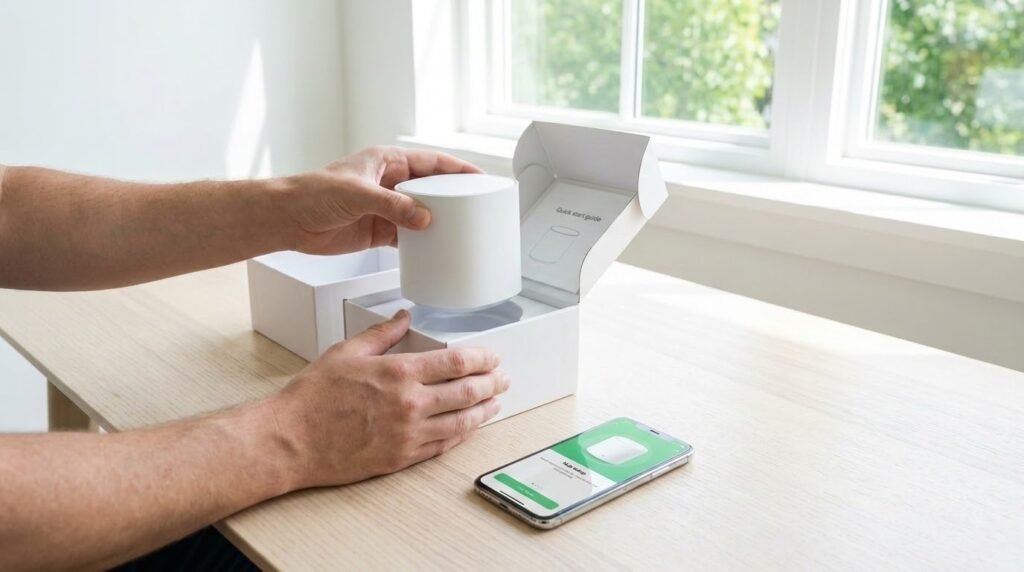
Before choosing any home automation hub, check these five criteria. The wrong choice at this stage costs you time and money to fix later.
1. Protocol Support Match Your Devices First
The most important check before buying anything:
| Your Devices | Hub You Need |
| WiFi only (Kasa, Ring, Nest) | Amazon Echo or Google Nest Hub |
| Zigbee (Philips Hue, IKEA) | Amazon Echo 4th Gen (built-in) |
| Z-Wave (Schlage, Aeotec) | SmartThings or Hubitat |
| Mixed everything | SmartThings Hub or Home Assistant |
| Apple HomeKit only | Apple HomePod Mini |
2. Cloud vs Local Processing
| Your Priority | Choose |
| Easiest setup | Amazon Echo |
| Works during internet outages | SmartThings, HomePod Mini |
| Maximum reliability, 100% local | Home Assistant Green |
| Visual dashboard | Google Nest Hub |
3. Technical Comfort Level
| Skill Level | Best Hub |
| Complete beginner | Amazon Echo or Google Nest Hub |
| Basic tech comfort | Samsung SmartThings |
| Intermediate | Hubitat Elevation |
| Advanced / developer | Home Assistant Green |
4. Matter Compatibility
Matter is the new universal smart home standard ensuring all major platforms work together. Confirm your hub supports Matter before purchasing:
- Amazon Echo 4th Gen Matter supported
- Samsung SmartThings Matter supported
- Apple HomePod Mini Matter supported
- Google Nest Hub Matter supported
- Home Assistant Matter supported
5. Subscription Requirements
Every hub on this list has zero subscription fees for core functionality. Avoid any home automation hub that locks basic automation features behind a monthly payment the best platforms keep essential features permanently free.
Home Automation Devices: What Works With Each Hub
Choosing the right home automation devices for your hub saves money and prevents compatibility frustration.
Best Devices for Amazon Alexa Hub:
| Device | Model | Price |
| Smart thermostat | Ecobee Smart Premium | ~$250 |
| Smart lock | Schlage Encode Plus | ~$250 |
| Video doorbell | Ring Video Doorbell 4 | ~$100 |
| Smart plug | Kasa EP25 | ~$17 |
| Smart bulbs | Philips Hue Starter Kit | ~$80 |
Best Devices for Samsung SmartThings:
| Device | Protocol | Price |
| Smart lock | Schlage BE469ZP (Z-Wave) | ~$200 |
| Motion sensor | Aeotec MultiSensor 7 (Z-Wave) | ~$60 |
| Smart plug | SONOFF S31 Lite (Zigbee) | ~$12 |
| Smart bulbs | IKEA Tradfri (Zigbee) | ~$10 each |
| Door sensor | Aqara Door Sensor (Zigbee) | ~$20 |
Best Devices for Apple HomeKit:
| Device | Model | Price |
| Smart thermostat | Ecobee Premium | ~$250 |
| Smart lock | Schlage Encode Plus | ~$250 |
| Smart plug | Eve Energy | ~$35 |
| Smart bulbs | Philips Hue | ~$80 starter |
| Camera | Logitech Circle View | ~$160 |
Home Automation Controllers: Complete Beginner’s Guide 2026
Pros and Cons of Home Automation Hubs
Pros:
- Unified control one app or voice command for every device regardless of brand
- Cross-brand automation Nest thermostat triggers Hue lights and Schlage lock simultaneously
- Scalability add 50 more devices without replacing your hub
- Voice control hands-free operation throughout your entire home
- Remote monitoring check and control everything from anywhere globally
- Zero subscription all recommended hubs work completely free
Cons:
- Protocol gaps no single hub supports every wireless protocol without add-ons
- Cloud dependency most commercial hubs require internet for full functionality
- Ecosystem lock-in switching platforms later requires significant reconfiguration work
- Learning curve advanced automation takes time to build and refine
- Open source complexity Home Assistant delivers the most power but requires technical setup
Frequently Asked Questions
What is the best home automation hub for most US homeowners in 2026? The Amazon Echo 4th Gen (~$50) is the best home automation hub for most beginners 100,000+ compatible devices, zero technical setup, built-in Zigbee radio, and Alexa voice control from day one. For homeowners with Z-Wave devices or mixed protocols, the Samsung SmartThings Hub (~$65) is the best dedicated hub covering Zigbee, Z-Wave, WiFi, and Matter simultaneously.
How does a home automation hub connect smart home devices? A home automation hub connects devices through wireless protocols WiFi, Zigbee, Z Wave, Thread, or Bluetooth. WiFi devices connect through your router. Zigbee and Z-Wave devices need a hub with those specific radios built in. The Amazon Echo 4th Gen includes Zigbee. Samsung SmartThings includes Zigbee, Z-Wave, and WiFi covering most home automation devices without additional hardware.
Which home automation hub works best without internet? Samsung SmartThings and Apple HomePod Mini run core automations locally without internet. Home Assistant Green runs 100% locally every automation works permanently without any internet connection. Amazon Echo and Google Nest Hub require internet for most smart home automation functions. For critical automations that must run during outages, choose SmartThings, HomePod Mini, or Home Assistant.
Are home automation controllers difficult to set up? Amazon Echo takes under 10 minutes with zero technical knowledge. Google Nest Hub is similar. Samsung SmartThings takes 30–60 minutes. Hubitat Elevation takes 1–2 hours. Home Assistant Green takes 2–4 hours for initial setup. Choose honestly based on your technical comfort the most powerful platform is worthless if the complexity prevents you from configuring it correctly.
Does the best home automation hub support Matter devices? Yes all major hubs now support Matter. Amazon Echo 4th Gen, Samsung SmartThings, Apple HomePod Mini, Google Nest Hub, and Home Assistant all support Matter-certified devices. Matter ensures smart home devices work across all major platforms simultaneously making it the most important compatibility standard to confirm before purchasing any hub in 2026.
Which home automation hub works best with home automation devices from multiple brands? Samsung SmartThings Hub (~$65) offers the best multi-brand device coverage in one dedicated hub supporting Zigbee, Z-Wave, WiFi, and Matter simultaneously. Amazon Alexa supports the most total devices (100,000+) through its cloud platform. Home Assistant integrates with 3,000+ services across every protocol for the deepest technical compatibility with virtually any home automation device ever made.
What is the difference between a smart home controller and a home automation hub? The terms are interchangeable in everyday use. Both refer to a central device or platform that connects smart home devices from different brands into one unified system. “Hub” typically refers to dedicated hardware (SmartThings, Hubitat). “Controller” can mean hardware or software platforms including Home Assistant. “Smart home controller” also includes voice-controlled devices like Amazon Echo and Google Nest Hub.
Bottom Line
Choosing the best home automation hub is the foundation decision your entire smart home builds on get it right and everything works together beautifully for years.For most homeowners: Amazon Echo 4th Gen at ~$50 easiest setup, broadest compatibility, zero subscription. Mixed device brands with Z-Wave? Samsung SmartThings at ~$65 covers every protocol. iPhone ecosystem? Apple HomePod Mini at ~$99 for full local processing. Maximum power and privacy? Home Assistant Green at ~$99 — the most capable platform available free.